
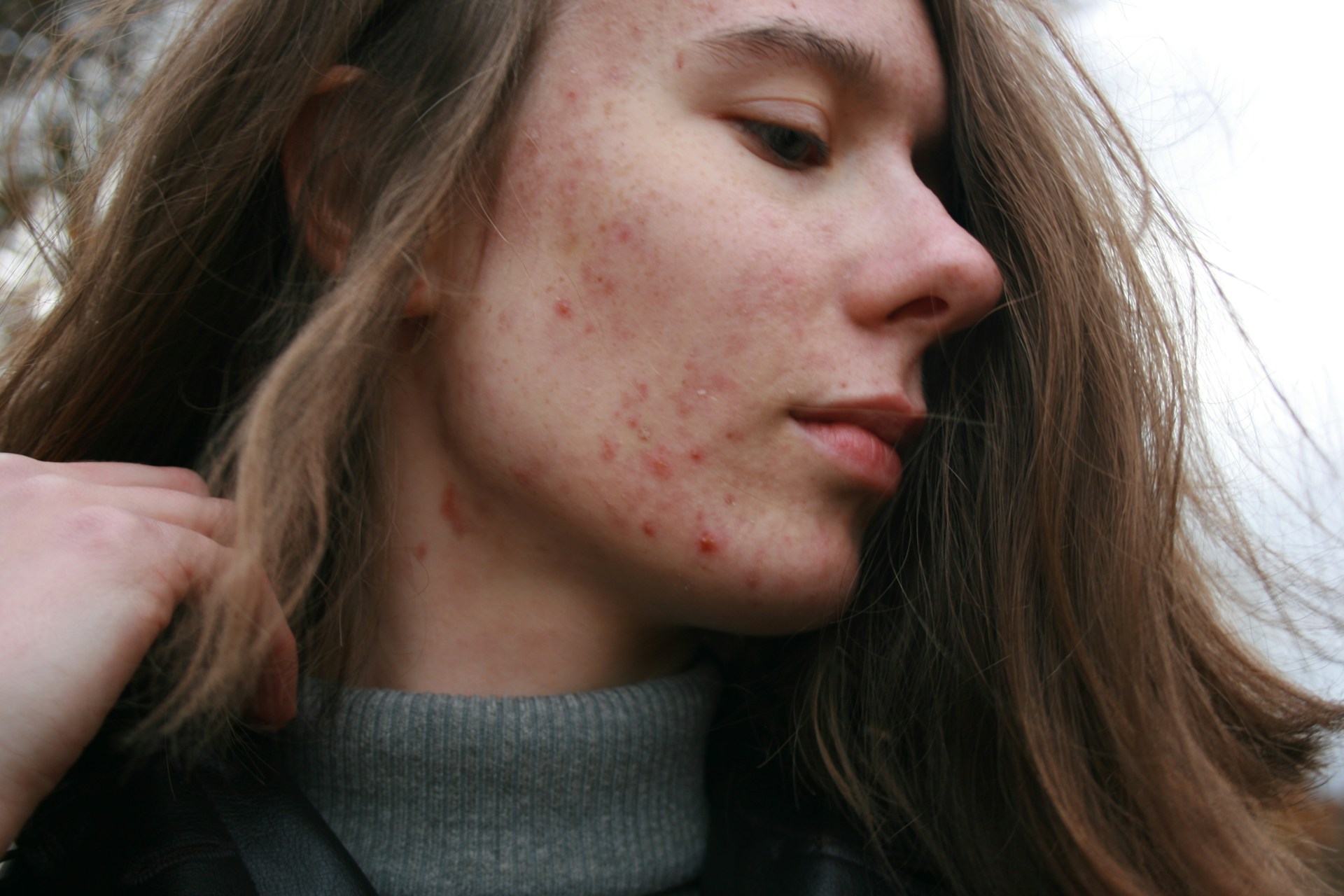
Acne isn’t just a teenage thing. It’s not always about bad hygiene either. And popping that pimple? Probably not your best move. The truth is, acne varies in cause, in appearance, and in how it should be treated. That’s why you need to try breaking down the most common acne types. It’s a smart starting point for anyone trying to clear up their skin without guessing their way through every product on the shelf. So, before you dive into another cleanser or treatment, here’s what to know about acne that can make a big difference.
All Bumps Are Not Created Equal
 Sometimes it’s a red bump that hurts. Other times, it’s a black dot that never seems to go away. What you’re seeing on your skin might fall into a few different categories. Whiteheads happen when a pore is blocked by oil and dead skin, but remains closed at the surface. These usually don’t feel painful but stick around like stubborn little dots. Blackheads are similar, same clog, but the pore stays open, and exposure to air turns the surface dark. Inflammatory acne steps it up a notch. Papules are red and tender with no visible head, while pustules have that classic white center. Then there are nodules and cysts. They’re deeper, more painful, and often the reason you consider calling a dermatologist. Different types call for different approaches, so it helps to stop lumping them all into one category.
Stop Treating Every Pimple the Same Way
That drying spot treatment you keep dotting on every bump? It might be doing more harm than good, especially if it’s meant for a type of acne you don’t even have. Non-inflammatory acne, like blackheads, often benefits from chemical exfoliants like salicylic acid. But deep cystic acne needs something stronger, often prescription-based or at least more targeted. Over-drying a cyst won’t help. Neither will scrubbing it like you’re trying to erase it. Once you know what you’re working with, your products and habits can be more effective, and your skin less irritated.
Picking Doesn’t Help (Even Though It Feels Like It Does)
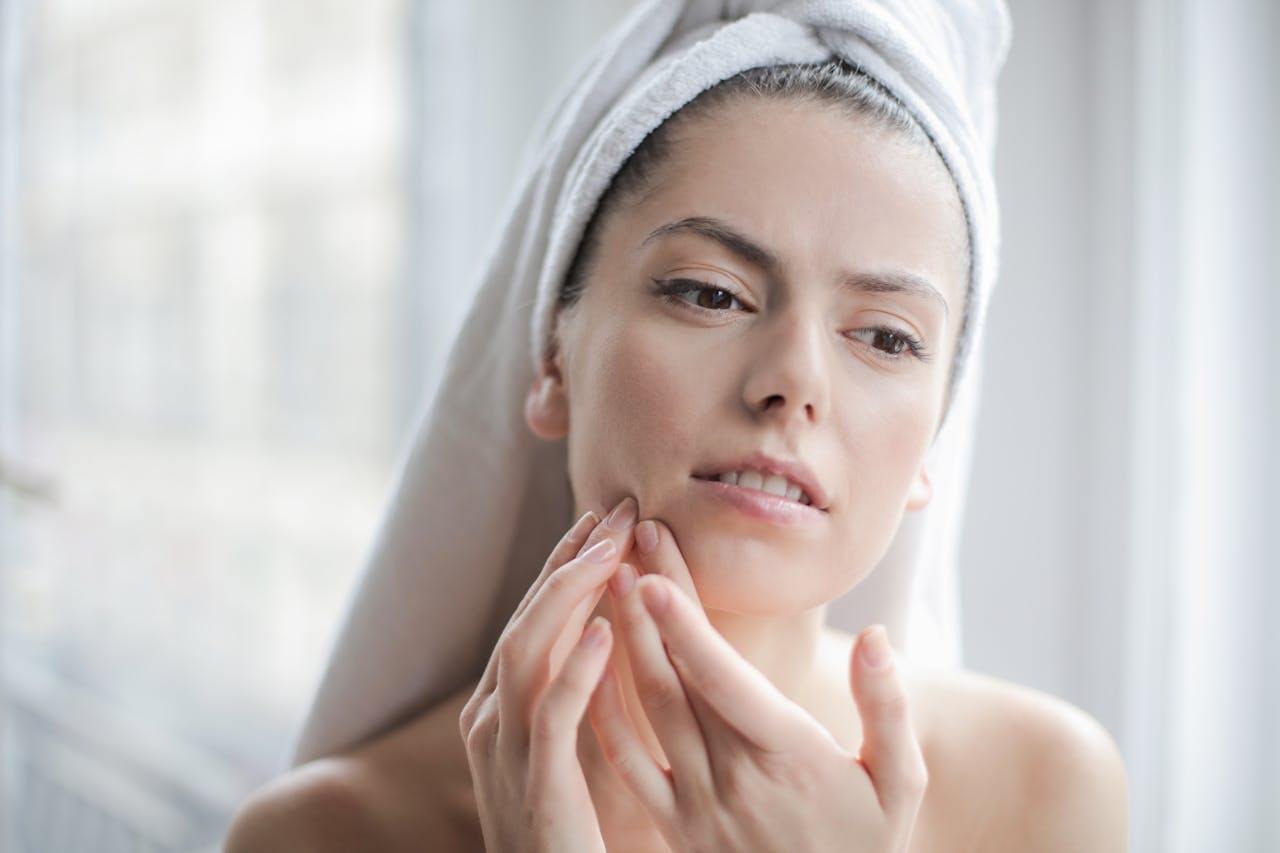
We’ve all done it. There’s something oddly satisfying about popping or picking at a pimple. But more often than not, it leads to more inflammation, potential scarring, or that unwelcome friend, post-inflammatory hyperpigmentation. If you’re tempted to go at it, try ice instead.
What You Eat and How You Live Matters More Than You Think
 Acne isn’t just about what’s happening on your skin’s surface. Hormones, stress levels, sleep, and yes, even what’s on your plate, can all play a part. While no single food is the villain, some people notice breakouts linked to dairy, sugar, or greasy meals. Others see flare-ups during stressful weeks or hormonal shifts. You don’t need to overhaul your diet or meditate for hours. But small changes, such as drinking more water, cutting down on processed snacks, or getting consistent sleep, can help the bigger picture.
Be kind to your skin. Understand what it’s telling you. The clearer your perspective, the clearer your face might become, in time. And maybe that’s the most underrated skincare tip of all.